


Is your high-quality puppy food actually doing its whole job, or are there hidden nutritional gaps slowing down your dog’s development? Most owners assume food is enough, but there are specific times when a supplement is the only way to protect their long-term health.
I’ve been breeding dogs for over ten years, and people ask me about supplements all the time. I grew up around German Shepherds, and for the last decade, I’ve focused on Bernedoodles and Goldendoodles.
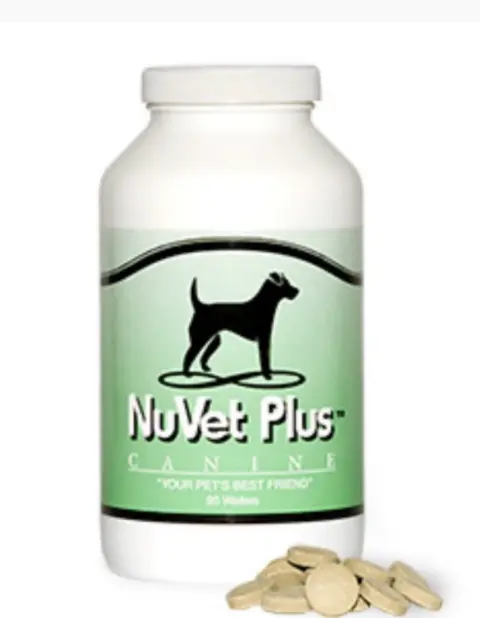
I don’t have experience with every single brand out there, but for the last five or six years, I have used NuVet supplements. They are all-natural and they work really well for my dogs. If you are looking for a place to start, that is the one I personally recommend.
When to start and what to avoid
I suggest starting puppies on supplements as soon as they begin eating dry food, which is usually around four weeks old. We put them on supplements right away to support that initial growth spurt.
The most important rule is to never give a puppy human supplements. Our vitamins are formulated for our own bodies, not theirs. Giving a puppy human-grade vitamin D, iron, or calcium can lead to a dangerous overdose. This can cause:
- Kidney failure
- Vomiting
- Diarrhea
- Toxicity from ingredients like xylitol

Important vitamins for growth
Puppies need a specific mix of nutrients to stay healthy as they grow. Some of the key vitamins include:
- Vitamin A for vision and immunity
- Vitamin D for bone development
- Vitamin E to act as an antioxidant
- B-complex vitamins for energy and metabolism
- Calcium and phosphorus for strong bones
- Zinc and omega-3s for skin and coat health
How supplements help your puppy develop
While most high-quality, AAFCO-certified foods provide a balanced diet, targeted supplements can give your puppy a boost in specific areas.
Brain and vision
Omega-3 fatty acids, specifically DHA and EPA, are vital for brain and retinal development. I’ve found that puppies who get enough DHA often show better memory and are easier to train.
Bone and joint health
Supplements with glucosamine, chondroitin, and calcium help form strong skeletal structures. This is especially important for large breed puppies because it can help prevent future orthopedic issues like hip dysplasia.
Immune system and digestion
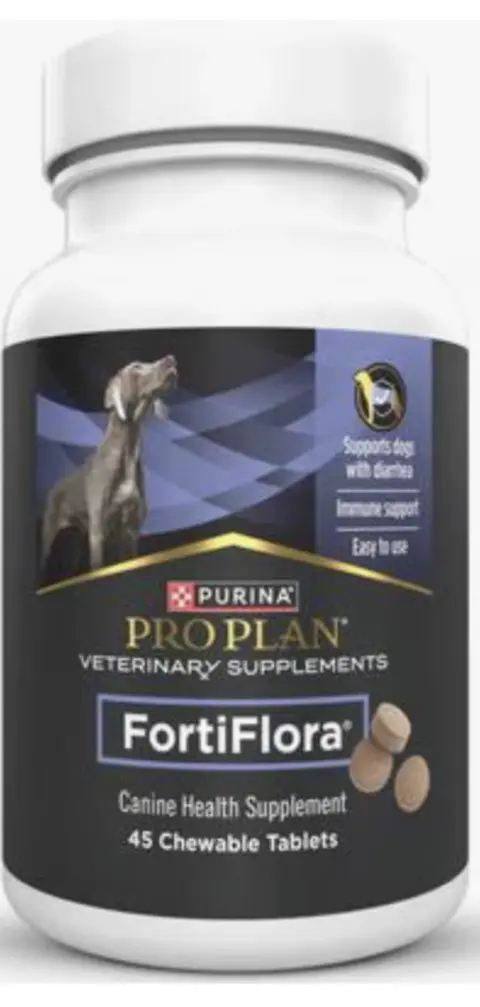
Vitamins A, C, and E help build up a puppy’s developing immune defense. For digestion, I really like probiotics and prebiotics. They introduce good bacteria to the gut, which helps puppies transition to solid foods or deal with the stress of moving to a new home.
Bernedoodles are known for having sensitive stomachs, so a good probiotic is great for preventing tummy issues and diarrhea.
How to pick a high-quality supplement
Don’t just grab the first bottle you see on the shelf. You want to look for specific signs of quality:
- The NASC (National Animal Supplement Council) seal on the label
- Transparent ingredients that list exactly what is inside
- Products formulated by or with veterinary nutritionists
- Brands that use clinical research to back up their claims
You should avoid any supplements that use fillers like corn, soy, or wheat. Also, stay away from brands that make huge, exaggerated medical claims or don’t list a clear lot number on the bottle.

When you might not need a supplement
If your puppy is eating a complete and balanced AAFCO-certified diet and they are meeting all their growth milestones, they might not need extra vitamins. Adding a general multivitamin to an already balanced diet can actually be a waste of money.
In some cases, it can even be harmful. For large breed puppies, you have to be very careful with extra calcium and phosphorus. Too much can cause their bones to grow too fast, which leads to joint problems later.
I usually only recommend adding supplements when there is a clear reason, like:
- A dull or brittle coat
- Itchy, flaky skin
- Unusual lethargy
- Chronic gas or loose stools
- The stress of moving to a new home
Tips for starting a routine
When you’re ready to start, I find it easiest to break the supplement into very small pieces. You can also buy powder supplements and just sprinkle them right on top of their food.
Always start with a half-dose for the first few days to make sure their stomach handles it well.

In closing
At your next puppy checkup, ask your vet these three questions:
- Is a supplement actually necessary for my puppy’s current diet?
- What is the correct dosage for my puppy’s current weight, and how should I change it as they grow?
- Does this specific brand follow NASC quality standards?