


If your dog is scratching his ears a lot, in my experience it usually comes down to one of three things: infection, yeast, or allergies. And often those three are connected — allergies are frequently what kicks off an infection in the first place.
So why do doodles seem to deal with this more than a lot of other breeds? It really comes down to their coat. Bernedoodles grow a lot of hair inside the ear canal itself, not just on the outside. That hair traps moisture and debris, which creates the kind of environment yeast and bacteria like to grow in. Regularly plucking that hair out is one of the simplest things you can do to keep the problem from starting.

Early warning signs to watch for
Before it turns into a full-blown infection, I usually see three signs:
- Smell — not something you’d notice walking past your dog, but if you’re petting him and get close to his head, you’ll catch it.
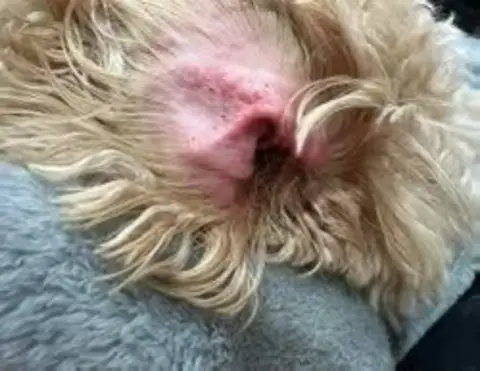
- Redness inside the ear.
- Sensitivity — if he winces, pulls away, or yelps when you touch his ear.
If you’re noticing any combination of these, I’d act on it now rather than waiting to see if it gets better on its own.
What to do at home right now
If your dog is itchy and scratching but you’re not sure it’s a full infection yet, here are the two things I’d start with:
- Pluck the hair out of the ear canal. A simple tweezer works. This alone helps a lot of dogs avoid the problem altogether.
- Use an ear wash. This is a liquid cleaner — not a wipe — that you pour into the ear and massage down into the canal, similar to how a saline rinse works for people, just made specifically for dogs. I’d use it about once a week as a habit for prevention.
I’ll also put coconut oil in as something that can help keep things from getting worse. It’s an easy, natural option most people already have in their kitchen or can grab at any store.
Cleaning ears the right way
When it’s time to actually clean the ear (not just prevent buildup), here’s what I do:I use a dog-specific Q-tip — yes, they make them — and you can put it in fairly deep. You’ll feel resistance as you get closer to the canal, which tells you not to push further. I’ll sometimes put a bit of ear cleaner on the tip first, then twist it as it goes in, which helps pull loose hair out along with the debris. I always finish by putting an ear wash in afterward.
One mistake I see a lot: using tweezers to dig down into the canal. Tweezers are fine for pulling out hair near the opening, but they shouldn’t go in deep. Save the deeper cleaning for the Q-tip method above.
How often should you clean?
- Ear wash: about once a week
- Plucking hair from the canal: about once a month
If your dog already sees a groomer regularly, most groomers will pluck the ear hair as part of a normal grooming appointment. If that’s the case, doing it once yourself in between appointments is usually enough.
When it’s actually an infection
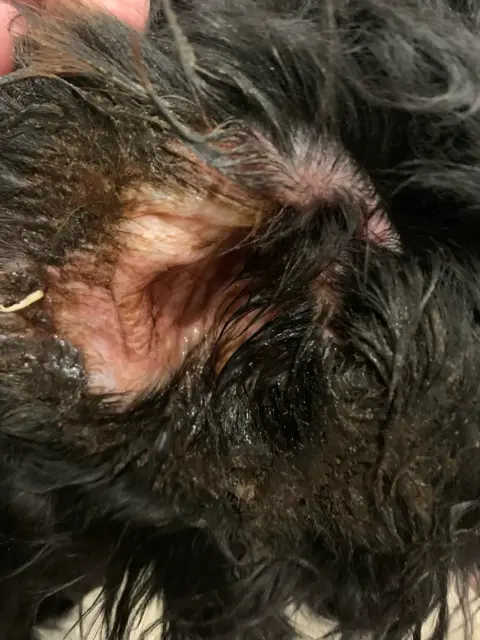
If it’s gone past prevention and you’re dealing with a real infection, my vet gives me an ointment called DermaVet to put in the ear once a day, along with a medicated ear wash a few times a week on top of that.
You should see improvement within about a week. If I don’t see any change by then, that’s when I’d contact the vet again and try something else.
Natural remedies vs. ones to avoid
Natural cleansers, herbal drops, and coconut oil can all be reasonable for mild irritation or prevention. But there are some common DIY suggestions floating around online that I’d steer clear of entirely: tea tree oil, hydrogen peroxide, rubbing alcohol, or heavy oils. These show up often in home-remedy blogs, but vets are clear that they can burn sensitive ear tissue, cause real pain, or even be toxic — a dog’s ear canal just isn’t built to handle them.
If you’re calling around worried late at night and don’t have anything on hand, I’d tell you to grab an ear cleaner from any pet store, and put coconut oil in too if you have some.
Getting to the root cause
If ear infections keep coming back, it’s usually not about water or swimming — it’s underlying allergies. The bacteria or yeast are usually just secondary opportunists capitalizing on an ear canal that’s already inflamed from an allergic reaction, most commonly to food. I’ve noticed chicken comes up a lot as a trigger for doodles specifically, based on what I’ve seen in Bernedoodle owner communities.
A simple year-round checklist
- Use an ear wash about once a week.
- Pluck ear hair about once a month (or between groomer visits).
- Watch for smell, redness, or sensitivity as early signals.
- If allergies seem to be a recurring theme, talk to your vet about diet.

One thing worth clearing up
A lot of people ask me if their dog’s allergies mean the parents must have had allergy issues too. That’s not really how it works — allergies showing up in doodles doesn’t depend on whether the parents had them. It’s just common with the breed in general.
What to do in the next 24 hours
If your Bernedoodle is scratching his ears right now, don’t panic. I’d start with an ear wash, follow with coconut oil if you have it on hand, and keep an eye on how things look over the next few days. Ear infections are common in doodles, and most of the time they’re straightforward to clear up — even when they come back occasionally.