

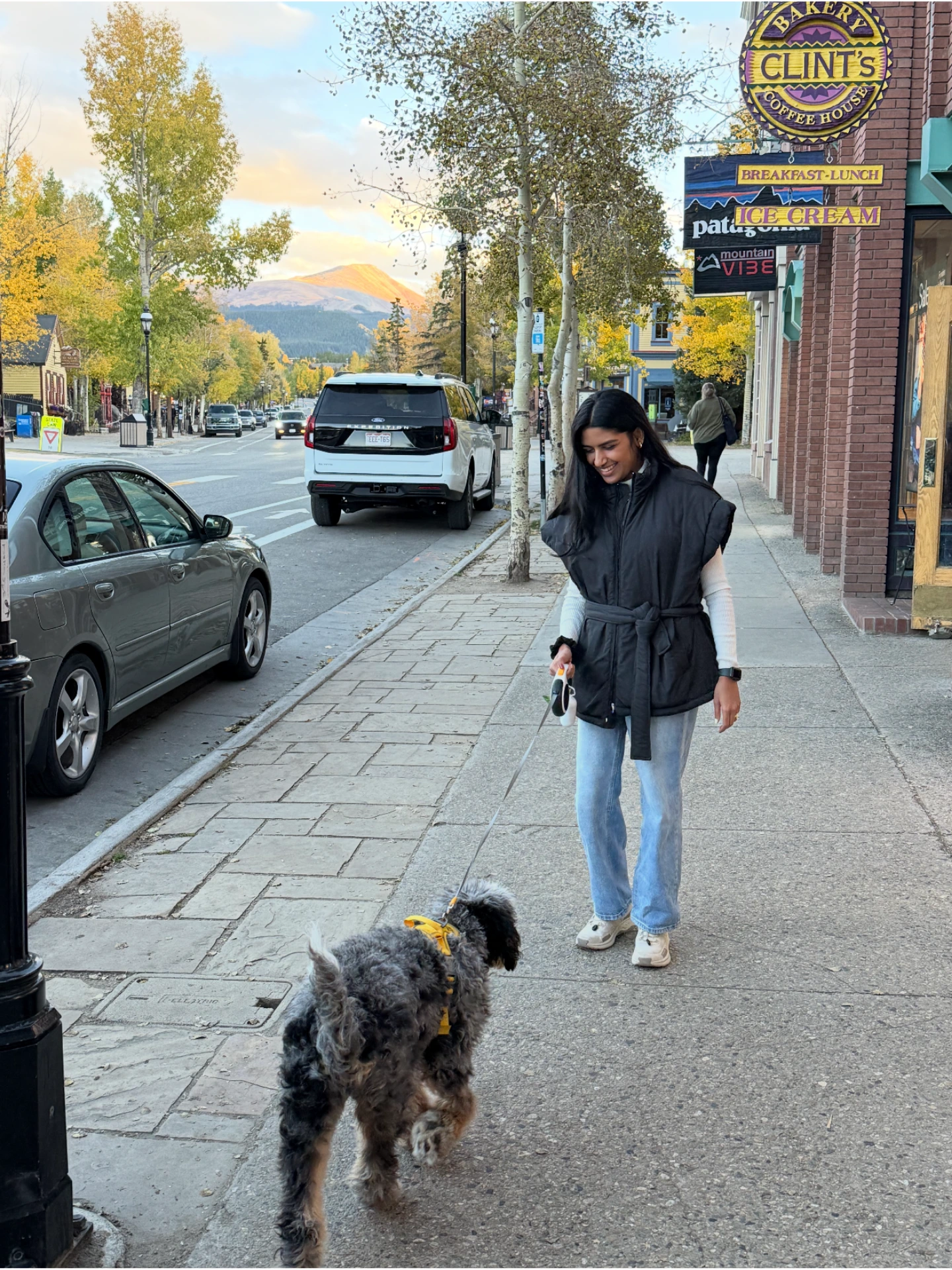
Tired of scrolling through puppy listings and seeing price tags that range from $800 to $8,000 without any explanation why? It is frustrating to try and budget for a family member when you don’t know what the real costs look like.
I’ve been breeding dogs for over ten years, and I grew up watching my dad breed German shepherds. Today, I spend my time raising Bernedoodles and Goldendoodles. I get texts and calls every day from families just like yours who are trying to figure out if they can realistically afford a puppy. Here is what you need to know about the market in 2026.
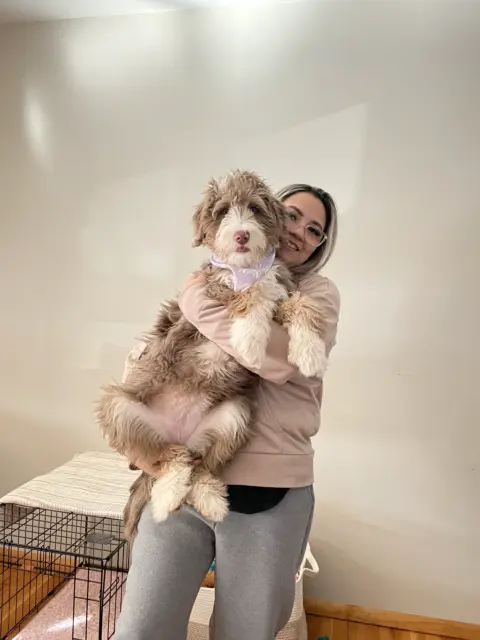
The average price of a Bernedoodle puppy
In 2026, you should expect to pay between $3,000 and $6,000 for a well-bred Bernedoodle. You might find some for less and a few for much more, but that is the standard range.
At my program, we typically sell our puppies for $3,500 to $4,000. The price usually fluctuates based on markings. If a puppy doesn’t have the “perfect” markings, I might list them at $3,500, while others go for $3,800 or $4,000 and even some really perfect ones up to $4,500.
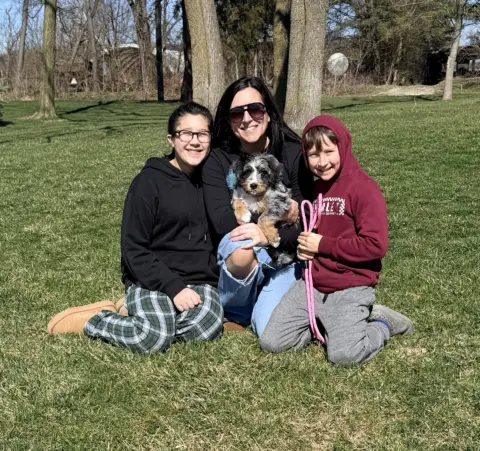
Why some breeders charge more than others
You might wonder why one breeder charges $4,000 while another charges $1,000. Usually, the gap comes down to what the breeder puts into the program before the puppy ever reaches you.
Here is what I invest in to make sure you get a healthy, happy dog:
- DNA and OFA testing: This helps us avoid breeding two dogs that carry the same genetic health issues.
- The BAB program: This includes early neurological stimulation and early scent introduction along with other things that are very time consuming.
- Temperament testing: We test the puppies to see how they react to different situations.
- Socialization: We introduce them to different floor surfaces and play areas so they aren’t scared when they move into your home.
- Marketing: High-quality photos and communication take time and money.
If you buy from a rescue or a “backyard” breeder who doesn’t do this testing, you might save money today, but you are taking a huge risk on health issues and medical costs later.

The first year: your biggest investment
Beyond the price of the puppy, the first year is going to be your most expensive. You are essentially setting up a household for a new family member.
Here is a breakdown of what you need to get started:
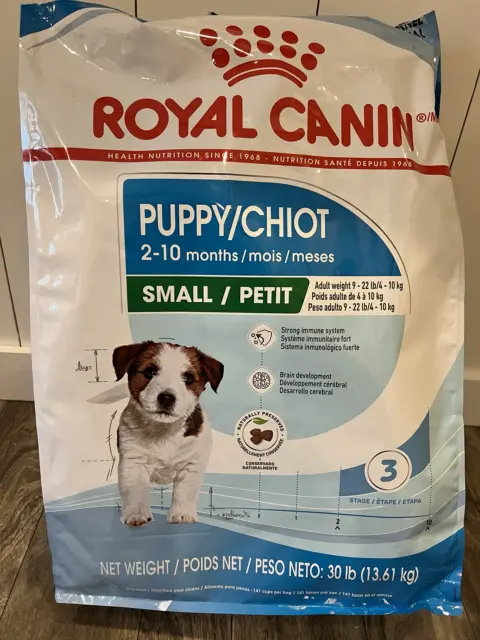
- Food: A bag of Royal Canin is about $66 for a 14 pound bag.
- First vet visit: Expect to pay $100 to $200 depending on your location and if shots are needed.
- Leash and collar: These can range from $5 to $70 depending on how fancy you want to get.
- Crate: A basic wire crate is around $50, but high-end models can go up to $700.
- Toys: You should plan to spend at least $50 on a decent variety of toys to keep them occupied.
I always tell people that for things like leashes and crates, you don’t need to spend the most money. But don’t go cheap on the food. High-quality food is worth the extra cost for the health of your dog.
Location matters more than you think
Where you live changes the price of owning a dog significantly. I once had a puppy go to a home where it needed a basic, routine surgery. In my area, my vet said he could do that surgery for about $500. Because the owner lived in a major city, they were charged $3,000 for the exact same procedure.
If you live in New York City or Chicago, you can expect to pay nearly double for grooming, vet visits, and boarding compared to what we pay here in a more rural area.

The hidden cost of training
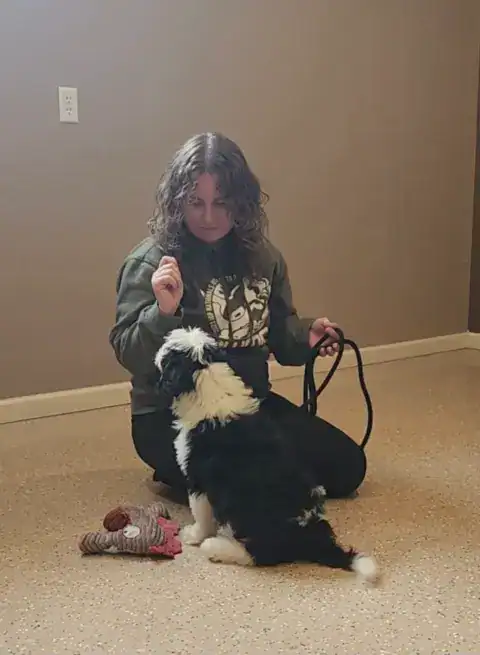
Training is the most common thing families underestimate. If you are an experienced dog owner, you can do a lot of it yourself. But if this is your first dog, you need a professional trainer.
I’ve seen families spend anywhere from $900 for an eight-day course to $6,000 for a 30-day “board and train” program in Chicago. It sounds like a lot of money, but it changes everything.
I remember a lady who bought a puppy from me and called a year later ready to return him. She said he was just “too much” for the family. I encouraged her to try a specific trainer I knew in the Chicago area called Smart K9 Dog Training. She took him there, and a few weeks later she told me it was life-changing. He came back a completely different dog. Good training is the difference between a dog that fits your life and a dog that runs your life. Here is the link to the actual training program, it’s called Lifetime Deluxe.
Monthly expenses and insurance
Once you get past the first year, your monthly budget should include:
- Food: $100
- Treats and toys: $30 to $50
- Insurance: Around $40
- Flea, tick, and heartworm prevention: $25
- Grooming: anywhere from $50-$200 and that depends on size of dog and area of location. Also that’s the price per groom so really that’s every other month on average.
Food will vary depending on the size of dog you have. A small dog will be much less.
I highly recommend Fetch Pet Insurance. If you use a code from a breeder, you can often get a discount for the life of the dog. Bernedoodles are notorious for eating things they shouldn’t—like socks. A surgery to remove a swallowed sock can cost several thousand dollars. Having insurance that costs $25 to $40 a month is much better than a surprise $4,000 bill.
How to tell if you are ready
If you are unsure about the budget, try saving $50 to $100 every month into a separate account. If you can’t comfortably set that money aside, you might not be ready for the ongoing costs of a dog.
In closing
Don’t make the mistake of cutting corners on training or health testing. I have seen too many families try to do their own training when they didn’t know how, and it ended in a disaster where they wanted to give the dog back. Spend the money on a good trainer and a tested puppy upfront. It is much cheaper than trying to fix behavioral or health problems two years down the road.
A responsible breeder will always have clean facilities, organized health records, and will be responsive to your questions. If a breeder is hard to reach or doesn’t have paperwork in order, the lower price isn’t worth the risk.