

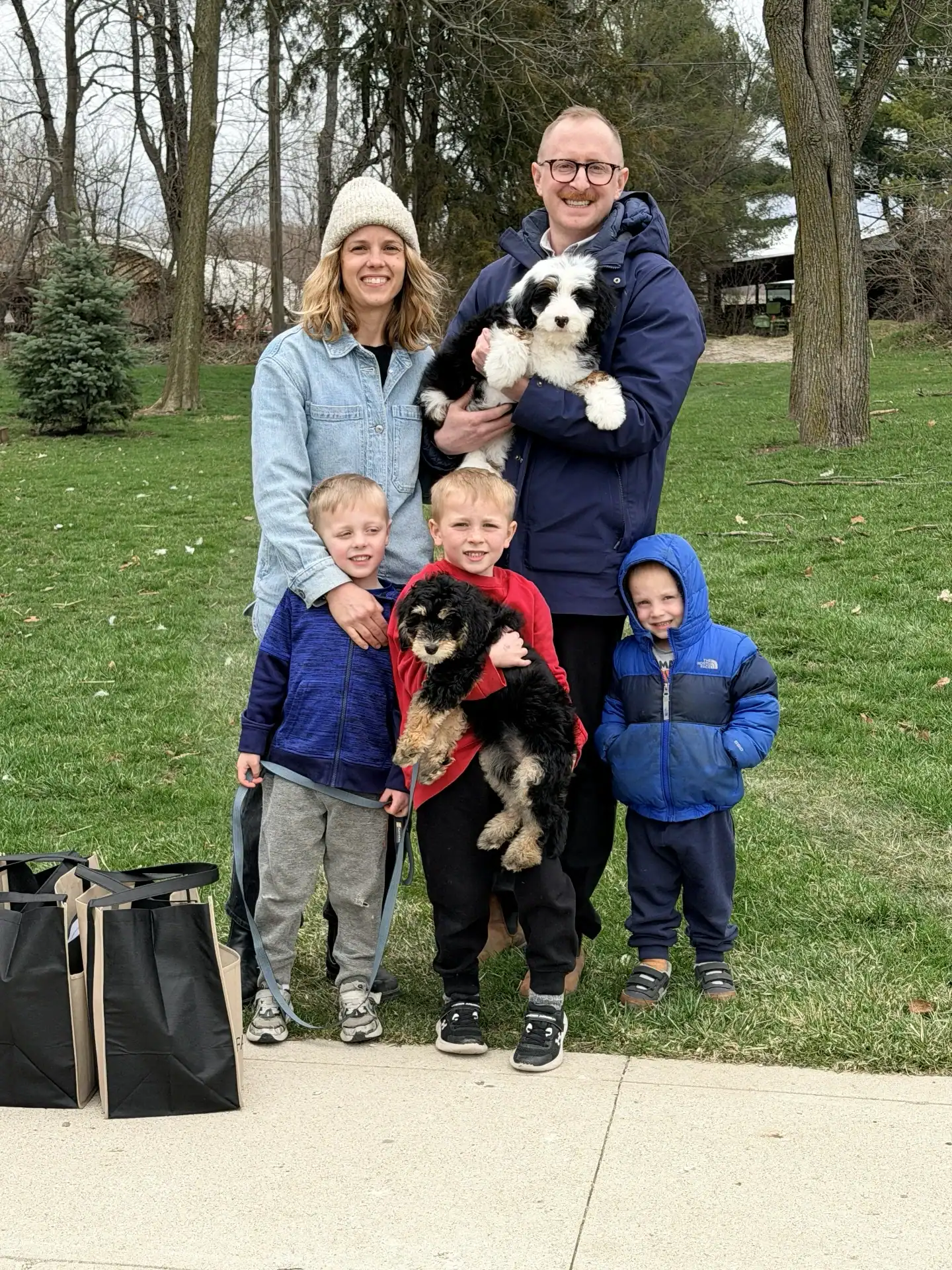
Are you worried about picking a puppy that looks cute but ends up being a total mismatch for your actual life? Many people choose based on looks alone, only to realize later that their schedule and the dog’s energy just don’t align.
Deciding on a puppy breed starts with being honest about your daily life. I have been breeding dogs for over ten years, and before that, I grew up watching my dad breed German Shepherds. I’ve learned that the best way to choose a breed is to look at your schedule, your home environment, and how much time you can realistically commit to training and exercise.
Clarifying Your Lifestyle and Expectations
When people call me and aren’t sure which breed to pick, the first things I ask are about their lifestyle. You need to think about these factors:
- Do you have kids, and how old are they?
- Are you home a lot, or are you gone most of the day?
- How long will the dog be left alone?
- Are you looking for a family companion or more of a guard dog?
- Are you active and outdoorsy, or do you prefer staying in?
If you are too busy to spend a lot of time with a dog, you might need a more independent breed. If someone is home all the time, a breed that thrives on attention will work better.
Matching a Breed to Your Stage of Life
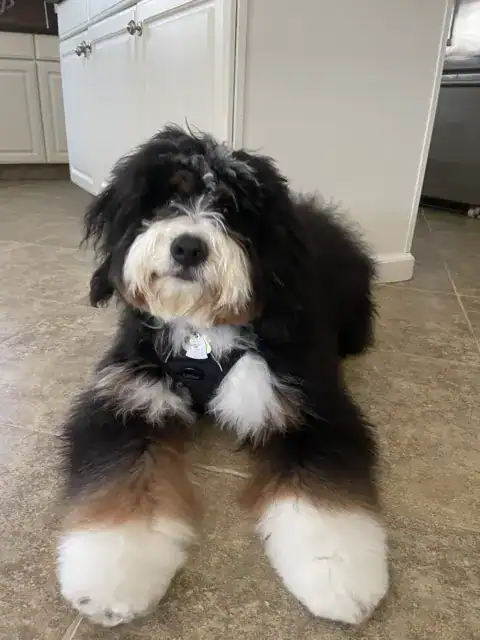
Different breeds and sizes fit different life stages. I’ve found that certain dogs, like Bernedoodles, are very adaptable to whoever owns them.
For 20-Year-Olds
If you are young and active, you might want a dog that can go for several walks or runs each day. Breeds that love exercise are perfect for this energy level.

For Busy Families
If you have a house full of kids and a lot of noise, you need a tolerant breed. Bernedoodles and Goldendoodles are excellent for this because they handle activity and noise very well.

For Retired Couples
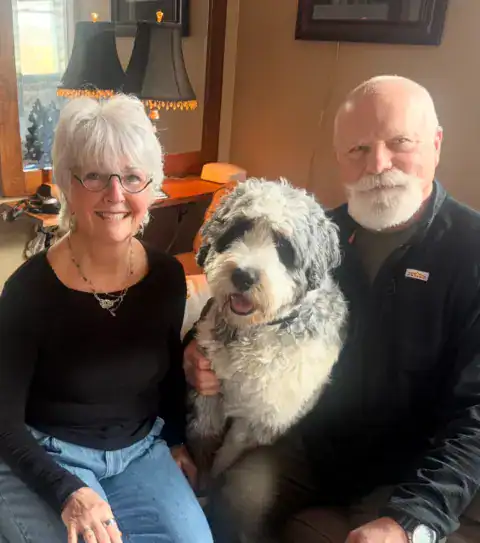
For people in their 70s, I usually recommend a small or medium-sized dog. It’s often easier for handling. I also suggest having a fenced-in backyard so the dog can get exercise even if you aren’t up for a long walk every day.
Choosing the Right Energy and Temperament
You can often tell a puppy’s personality even when they are tiny. When you meet a litter, watch their energy. If one puppy is jumping and running around while another is laying in the corner, that tells you a lot.
If you have a busy, high-action lifestyle, the pup that’s up and moving might be the better fit. If you pick the laid-back one, you have to decide if you are willing to adjust your life to fit that dog’s personality. Luckily, many breeds are adaptable and will eventually fit into your routine.
Thinking About Training and Intelligence
If this is your first time owning a dog, I suggest finding a breed that is easily trainable. It makes the whole experience much better.
I often recommend that first-time owners have their puppy go through professional training before they even bring it home. It’s a big benefit to have that head start. If you don’t do that, at least get them into a trainer as soon as possible. Families who don’t prioritize training usually end up having more issues down the road.
Grooming and Health Considerations
Your physical environment and health needs should also play a role in your choice.
- Allergies: If you have hair allergies, look for a low to non-shedding dog. This should be your top priority.
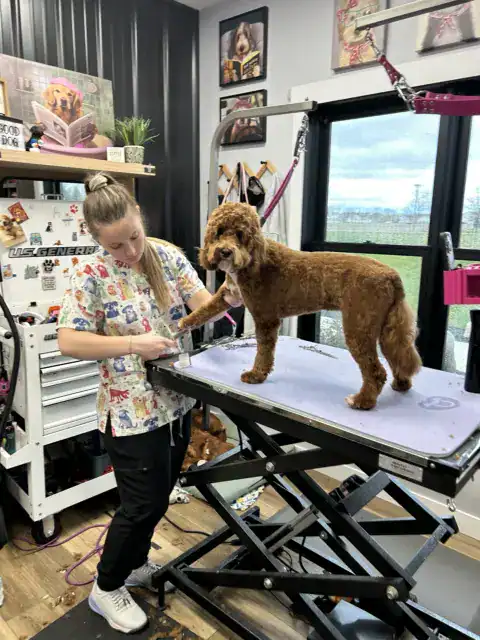
- Grooming: If you get a Doodle or a similar breed, plan for professional grooming every six to eight weeks.
- Genetics: Ask the breeder if they do DNA and OFA testing on the parents. This helps avoid genetic diseases.
Keep in mind that even with testing, freak things like cancer can still happen. Those things are unpredictable and unavoidable, just like with humans.
The Reality of the First Year
Raising a puppy is a massive commitment. The first six months to a year are the hardest. You will spend a lot of money on vet visits, supplies, crates, and toys. You will also sacrifice a lot of time for training. Most of my customers say it’s well worth it once they get through that first year, but you have to be ready for the responsibility upfront.
How to Spot a Good Breeder
Once you pick a breed, you have to find the right person to buy from. A responsible breeder will:
- Do DNA and OFA testing.
- Focus on puppy socialization, like Early Neurological Stimulation (ENS) and Early Scent Introduction (ESI).
- Introduce the puppies to new toys, surfaces, and sounds.
- Communicate openly and offer FaceTime calls if you live far away.
Red flags include minimal communication, not allowing on-site visits, or giving vague answers to your questions.

In closing
Take a look at your calendar this week and see how much free time you actually have. If you are narrowed down to two breeds, compare how adaptable they are to that schedule. If they both seem like a good fit and you still can’t decide, just go with the one you bond with the most—or flip a coin.