

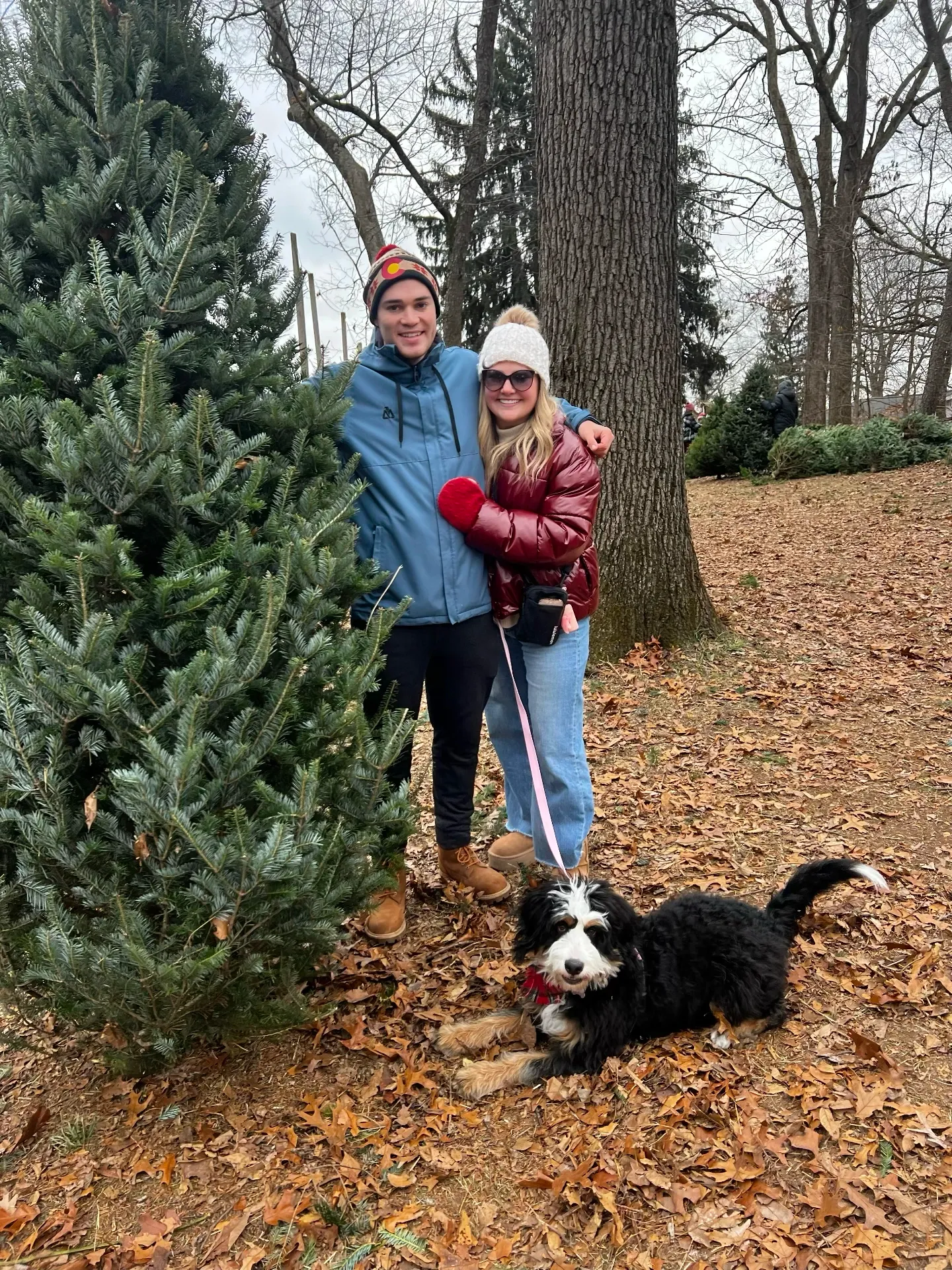
Bringing home a new Bernedoodle puppy is one of the best feelings in the world — but I’ll be honest with you, it’s also a lot like bringing home a newborn. You’re going to lose some sleep. Your normal routine is going to get turned upside down for a little while.
But once your puppy is trained, all of that work pays off in the best way. I’ve been breeding and raising puppies for over ten years now, and I want to walk you through exactly what those first seven days tend to look like, so you’re not caught off guard.
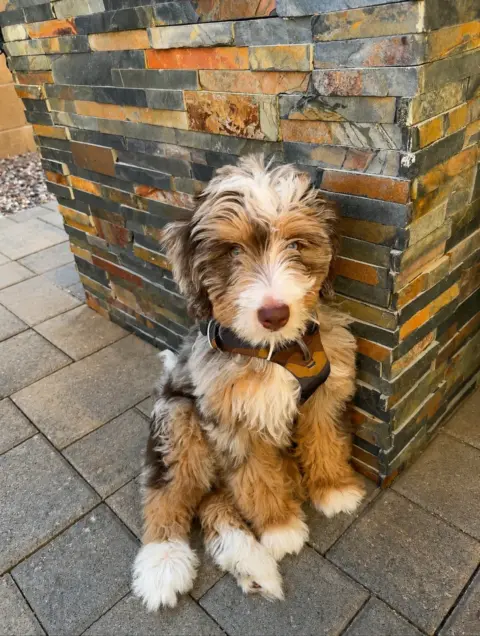
Before pickup day
Before your puppy comes home, get a few things ready: a crate, plenty of chew toys, the same food your puppy has been eating, a leash, collar, bed, playpen, probiotics, supplements, and treats.
When you pick up your puppy from us, we also send you home with a snuggle puppy, a small bag of food, a bag of treats, a probiotic tube, a blanket, a chew toy, and poop bags to get you started. I’ll also give you a picture of the exact food your puppy has been eating so there’s no guessing.
If you want to build out the rest of your list, our Amazon storefront has everything we recommend.
Here’s the honest truth about what people under prepare for — it’s not the supplies. It’s the time and effort training takes. Everybody pictures the cute puppy part. Not many people picture the actual work of training a dog.
So as a young couple, set your expectations now: plan on less sleep for a while, and expect your normal life to get bombarded by a busy little fur-ball who keeps you on your toes. Once your puppy is well trained, it’s completely worth it.
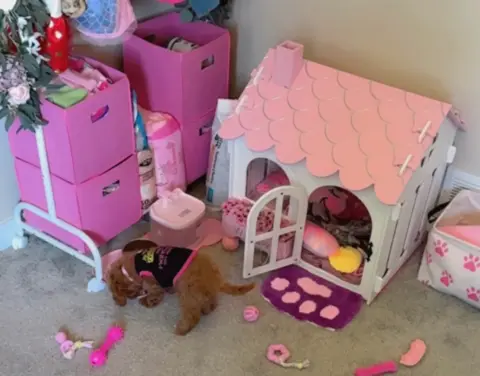
The first 24 hours
When your puppy first gets home, they’re going to explore every inch of their new surroundings, and everybody in the house is going to want to play with them nonstop. I get it — but alone time matters just as much as play time. Everything is brand new to your puppy, and that newness creates real stress, even if it doesn’t look like it.
A good rule of thumb: about an hour of play, then an hour of alone time in the crate or a playpen. Feel it out from there — if your puppy is sound asleep after an hour, just let them rest. This balance matters even more if you’ve got kids in the house, since kids naturally want to play. Giving your puppy that downtime, even when it’s hard to step back, helps them settle in instead of getting overwhelmed.
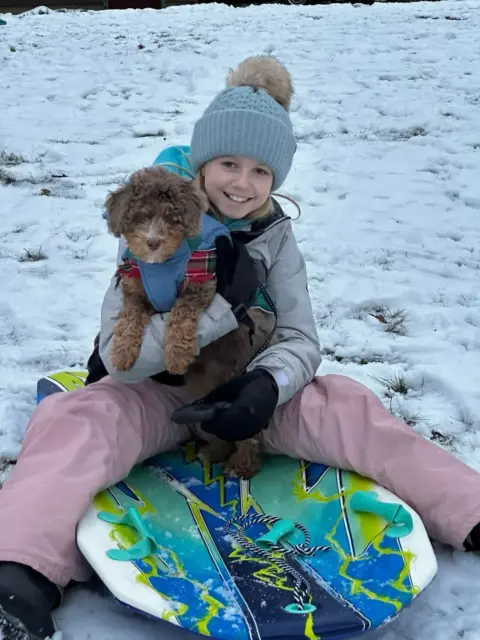
Try not to stress about doing it perfectly. Puppies pick up on their owner’s stress, and that stress just compounds — a stressed-out family tends to end up with a stressed-out puppy.
It’s also totally normal if your puppy doesn’t go to the bathroom or eat much that first day. They’re in a bit of shock from everything being new. The one thing to watch closely is hydration — make sure they’re drinking. If they’re not eating, try mixing in a little canned food, freeze-dried beef liver bites, or even a sprinkle of Parmesan cheese as a topper. That last one might sound surprising, but it works.
Nighttime and the crate
Every puppy handles that first night a little differently. Some will sleep five to seven hours right away, which is great — but don’t set that as your expectation. Expect some crying before they settle, and expect a wake-up or two overnight. When they wake up crying, take them straight outside — there’s a good chance they need to go — let them move around for a few minutes, then bring them back in and settle them into the crate again.
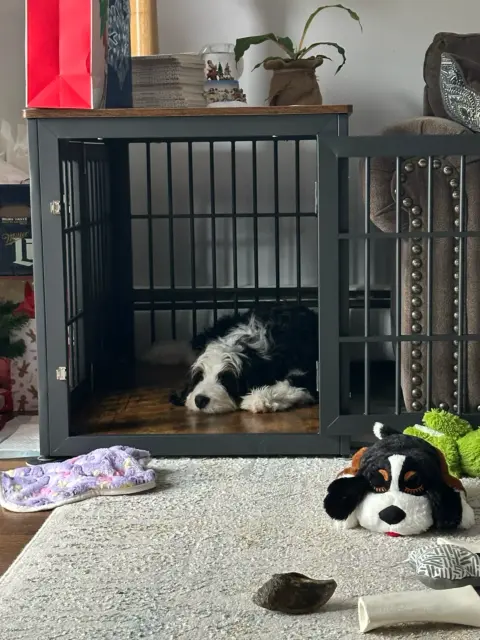
When your puppy goes home with you, they’re not fully crate trained yet, though they have had some daytime crate exposure to get familiar with it, we do offer a good training option before they come home in which they would be fully crate trained if you choose that option. Working on crate time during the day actually helps nighttime go smoother too — the more comfortable they get with the crate while you’re awake, the easier settling in at night tends to be.
One thing worth knowing: normal whining usually lasts somewhere around 10 to 20 minutes. If it turns into prolonged, hysterical crying well beyond that, that’s your cue to go check in.
Potty training that first week
There are a few ways to approach this, but here’s what I recommend. Give your puppy limited access to one room where you can keep an eye on them — you’ll usually be able to tell when they need to go out. A lot of our families hang a bell on the doorknob and ring it every time they take the puppy out, which helps the puppy connect the bell to going outside.
One tip our trainer always mentions: sometimes a puppy will squat like they’re going, but nothing actually happens. Always double check there’s actually pee on the ground before bringing them back in — otherwise you might end up with an accident inside minutes later and wonder why.

If you want the fastest path to potty training, tethering the puppy to your belt loop with a leash so they’re with you constantly is the most effective method, though it does take more commitment. You’ll catch every single moment they’re about to go, right as it happens.
Whatever method you use, persistence matters more than anything else. Most potty training struggles come down to inconsistency, not a “bad” puppy. And don’t expect full potty training in a week — that’s not realistic. You should see real improvement within a few days, though. If a week goes by with zero progress, it’s worth taking a look at your routine.
Feeding and play
Stick to the feeding schedule we give you at pickup — morning and evening works well for most puppies. If you’d rather split it into three feedings, that’s fine too, just divide the same total amount. For water, give your puppy full access until about two hours before bedtime, then take it away.
Balance is the name of the game with play, especially if you have toddlers in the house. Get your puppy outside, let them play and burn energy, then bring them in for rest time in the crate. Watch for yawning — it’s a classic sign of being overtired, overstimulated, or stressed, not just sleepy.
In closing
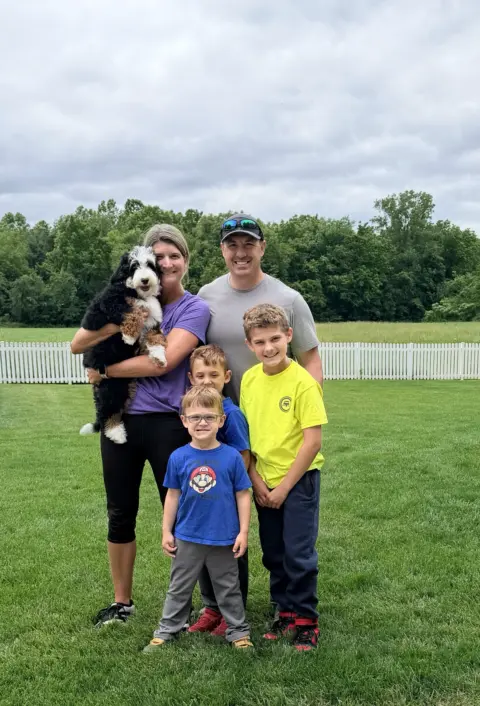
I know this is a lot to take in, but you don’t have to get it perfect. Puppies are more adaptable than people expect — they’ll settle into whatever consistent routine you give them. Stay patient, stay consistent, and don’t stress if week one feels messy. It gets easier, and what you’re building with your puppy right now is worth every bit of the effort.